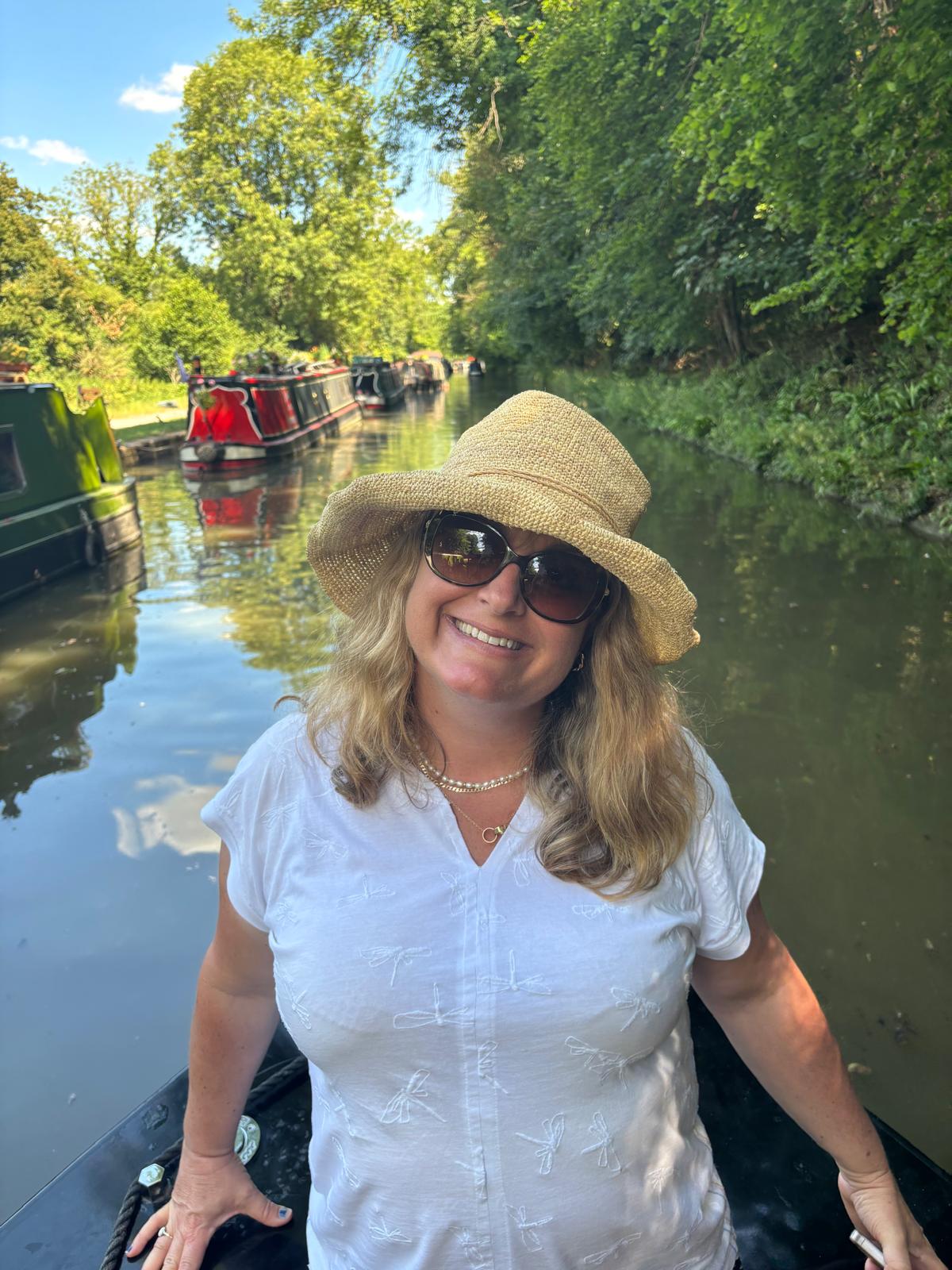
Spotlight On... Penny Gruffydd

3rd September 2026
Q1. What aspect of REPAIR are you most involved in?
I am a co-lead on the Restoration thread.
Q2. What excites you most about this work?
This project gives us a unique opportunity to understand the benefits a biophilic building can have for wellbeing and wildlife in the city centre, and the contribution this will make to welcoming wildlife back into the city centre whilst increasing our resilience to the impacts of climate change. I am particularly excited by the range of expertise in the project team and the way this offers us the opportunity to learn from and understand the building through a sustainability lens, taking into account the environmental, economic, social and cultural benefits at the same time.
Q3. What does biophilic living mean to you?
Biophilic living for me on a personal level is about how I connect with nature in my everyday life. It is about the greenery I can see from my bedroom window both immediately surrounding my home but also the distance – the views of hills and the sea. It is about the parks near my home where I can hear the wind in the leaves of the trees, the dappling of light through fresh new leaves in the spring and the petrichor, that glorious ozone smell when fresh rain hits the dry soil on a hot summer’s day. It is the sound of birds in my back garden and bees buzzing between the flowers on my patio. It is about the walks I take along the Welsh costal path in the autumn picking salt blushed blackberries from the hedgerows and my knowledge that I am part of the wider natural ecosystem.
On a city-wide scale biophilic living is about how these connections and feelings play out in our urban spaces, how our communities and these spaces are connected and part of the wider natural world. How we ensure nature is threaded through our urban spaces to enrich them and the well-being of those inhabiting them, and how nature base solutions can make our buildings perform well, creating healthy spaces for those living, working or visiting them helping address issues like winter heating costs and natural summer cooling.
Q4. Have your views on biophilic living changed since joining REPAIR?
I do not think my views have changed but my understanding of the interconnected opportunities of biophilic buildings has grown. Probably the biggest thing I have learnt from the process is the range of challenges and opportunities doing something innovate like the Biome throws up, and how its success is reliant on the tenacity and a willingness of many.
Q5. What has been your most memorable REPAIR experience so far?
I have really enjoyed the transdisciplinary element of the project and the way colleagues from the arts and humanities see situations from a different angle and offer different viewpoints, challenges and solutions.
Q6. What is the most surprising thing you have learnt through the project?
The coaching element of the project and how these sessions have challenged me to look at how I can contribute to the project in different ways and how these skills can be taken back into my wider work.
Q7. What do you enjoy most about working in a transdisciplinary team?
Working with colleagues who see biophilia from a different angle and offer different viewpoints, challenges and solutions. In particular this is the first time I have worked closely with anthropologists and climate and environmental psychology experts, and I have really enjoyed viewing green infrastructure though their eyes, and the way their disciplines investigate biophilic living. I have also found the way the artists and historians on the team interpret and describe green infrastructure and its role culturally fascinating. This has increased my understanding of the importance of language and imagery in describing terms and functions and how using different methodologies can communicate the same message to the community in different ways and draw out different responses.
Q8. What are your hopes for the future of REPAIR?
My hope is that the learning from the project will help us understand the value of biophilic living to nature and wellbeing and will inform and stimulate the industry locally and on a national and international level.
Q9. Tell us about a place in nature that is important to you and why.
There are many places locally and globally which are important to me for different reasons. I am currently walking Wales’s Coastal Path in my spare time (we have made it form Swansea to Pembroke so far), and there are countless tranquil places along the Welsh coastline. However, I recently visited Costa Rica and the respect and value local communities placed on nature was inspiring. Costa Rica makes up just 0.03% of the world’s landmass but is home to between 5 and 6% of the world’s biodiversity. The colours and abundance of the natural environment in the places I visited whilst in Costa Rica were just incredible.